


Britain’s Top 5 Favourite Butterflies: Nature-Inspired Pottery Painting Ideas UK

When you’re stuck wondering what colours to choose for your next paint-your-own pottery project, sometimes the best thing to do is look out of the window.
British wildlife is rather good at colour palettes.
And butterflies, in particular, seem to have mastered combinations that would make a paint chart slightly jealous.
Earlier this summer, Butterfly Conservation asked people across Britain to vote for their favourite butterfly for the first time. More than 21,000 votes later, five colourful species fluttered their way to the top of the list: Peacock, Orange-tip, Red Admiral, Holly Blue and Brimstone.
They also happen to make wonderful inspiration for pottery painting ideas.
But you don't need to painstakingly paint a butterfly onto your ceramic. Instead, try borrowing its colour palette, markings, contrasts and patterns and translating them into something completely different.
A butterfly-inspired fox? Absolutely.
A Peacock-inspired vase? Why not?
A Holly Blue plate that doesn't feature a single actual butterfly? Even better.
Here are the top five UK favourite butterflies pottery painting ideas and how to turn their colours into your next ArtyPax creation.
1. Peacock – Britain's favourite butterfly

Taking the number-one spot with 2,340 votes, the Peacock is probably one of the easiest British butterflies to recognise. Its rich orange-red wings are contrasted with dark markings and those spectacular blue, black and cream eyespots.
Peacock-inspired colour palette
Think:
Burnt orange • deep red • inky black • jewel blue • warm cream
This is the palette to choose if you like rich, dramatic colour.
Rather than recreating the butterfly itself, borrow the idea of concentric circles and flashes of jewel tones.
On a ceramic vase, you could start with a warm terracotta or deep orange base and add irregular circular motifs in blue, cream and black. On a plate, try a dark outer border followed by small blue and cream dots around the rim.
And on an animal figure? A predominantly russet or burnt-orange ceramic with tiny blue highlights can look surprisingly beautiful.
This is also a lovely palette for dry brushing with acrylic paint. Paint a darker base colour first, allow it to dry and lightly dry brush burnt orange or red over raised textures. A few carefully placed blue details can then provide that unmistakable Peacock-inspired flash of colour.
The trick is not to use everything everywhere. Let that blue behave like it does on the butterfly: as the little jewel that catches your eye.
2. Orange-tip – fresh, cheerful spring colour

The Orange-tip came second with 2,016 votes. Male Orange-tips have brilliant orange forewing tips against white wings, while both sexes have beautifully mottled green-and-white undersides.
It's an unexpectedly sophisticated combination.
Orange-tip-inspired colour palette
Try:
Soft white • tangerine orange • sage green • moss green • pale grey
If the Peacock palette is maximalist, this one is wonderfully fresh and simple.
For a ceramic vase, you might leave much of the design white or cream, paint the rim in a bold tangerine and add loose sage-green markings around the bottom.
On a plate, try a clean white centre with an irregular orange border and softly mottled green details.
The underside of the Orange-tip is particularly useful as pattern inspiration. Instead of painting leaves or butterflies literally, stipple several shades of green and cream together to produce an organic, almost marbled effect.
You could also use the same palette on an animal figure: mostly neutral, with one confident orange feature and tiny green accents.
Sometimes one brilliant pop of colour is all you need.
3. Red Admiral – bold and graphic

Third place went to the Red Admiral with 1,747 votes. Its dark wings are crossed by striking red-orange bands and finished with contrasting white markings. The underside contains a more subtle mixture of blue, brown and orange tones.
That makes the Red Admiral particularly good inspiration if your style leans towards bold, contemporary designs.
Red Admiral-inspired colour palette
Think:
Charcoal black • red-orange • crisp white • earthy brown • muted blue
Try painting a vase predominantly charcoal or very dark grey before adding sweeping red-orange bands around it. Small irregular cream or white dots can soften the design.
On a plate, alternate bands of black, orange and white around the rim while keeping the centre simple.
You can also take inspiration from the Red Admiral's contrast rather than its exact markings. Pairing a very dark base with one warm colour and small pale highlights creates an eye-catching design without looking remotely like you've attempted to paint a giant butterfly onto your pottery.
Unless, of course, you want a giant butterfly. There are no ceramic police.
4. Holly Blue – soft, calming and understated

The delicate Holly Blue finished fourth with 1,677 votes. Its pale blue colouring gives it a much softer appearance than some of its more flamboyant neighbours in the top five.
For anyone who loves calm interiors, coastal colours or understated nature-inspired homeware, this might be the palette to steal first.
Holly Blue-inspired colour palette
Try:
Powder blue • sky blue • silvery grey • soft white • charcoal
Rather than using one flat blue, mix several variations.
You could blend pale blue into white around a vase, add a delicate charcoal rim and finish with tiny grey speckles.
A ceramic plate could have a powder-blue centre fading towards a soft white edge. Small dark dots or dashes around the rim would give a nod to butterfly markings without becoming a literal butterfly design.
And this palette works particularly nicely on ceramic animal figures. Try painting the main figure in soft neutrals before dry brushing pale blue over raised areas.
It's a lovely example of how wildlife inspiration doesn't have to mean wildlife realism.
5. Brimstone – sunshine in butterfly form

Finishing the top five with 1,595 votes was the Brimstone. Male Brimstones are famous for their bright lemon-yellow colouring, while females are much paler, with greenish-white wings.
It's difficult to look at a Brimstone palette and feel particularly gloomy.
Brimstone-inspired colour palette
Think:
Lemon yellow • buttercream • soft green • ivory • tiny touches of orange
This palette is perfect for cheerful spring and summer pottery painting.
Instead of covering an entire ceramic in bright yellow, try combining several gentle shades: buttery yellow beside pale cream, with sage or fresh leaf-green details.
On a vase, use flowing organic shapes rather than hard lines. On a plate, a soft yellow centre fading towards cream can look beautiful with tiny green dots or brush marks around the edge.
You could also use yellow as the accent rather than the main colour. A mostly cream or green ceramic figure with little flashes of yellow can feel fresh and contemporary.
How to use the top 5 UK butterfly pottery painting ideas without actually painting butterflies
This is perhaps my favourite bit.
Nature-inspired pottery doesn't have to mean recreating an animal exactly as it appears in a field guide.
Look a little closer and butterflies give us all sorts of design ideas:
Eyespots become circles, rings and dot patterns
Wing edges become borders around bowls, plates and vases
Wing bands become stripes and sweeping blocks of colour
Speckles become stippled textures
Mottled underwings become dry-brushed or sponge-painted effects
Contrasting wing tips become colourful rims, handles or individual features
If you're painting a ceramic animal, you can borrow nothing more than the palette.
Your owl could be Peacock-inspired. Your fox could wear Holly Blue colours. Your panda could suddenly acquire a rather fabulous Brimstone yellow-and-cream makeover.
That's one of the nicest things about painting ceramic bisque with acrylic paints: you're not waiting to see what happens after firing. You can mix colours, layer them, experiment with patterns and change direction as you go.
Create your own butterfly-inspired colour palette
If choosing paint colours usually ends with you staring at six pots for twenty minutes, try this simple approach.
Choose one main colour, one supporting colour, one neutral and one small accent.
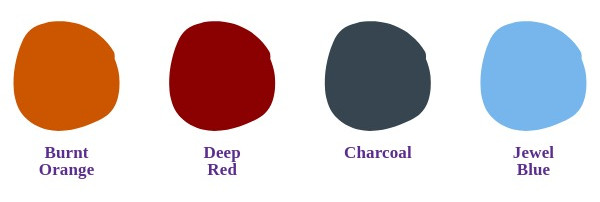
For example, a Peacock-inspired palette might become:
Burnt orange + deep red + charcoal + jewel blue
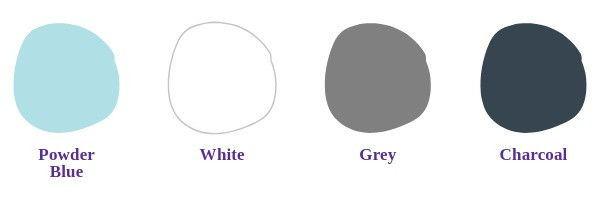
Or Holly Blue:
Powder blue + white + grey + charcoal
You don't need to reproduce every colour found on the butterfly. In fact, reducing the palette often produces a more polished finished ceramic.
Acrylic paints can also be mixed, so a small collection of colours can create far more shades than you might initially think.
Take your inspiration outside
One of the best parts of nature-inspired crafting is that inspiration is free.
The next time you're in the garden, walking through a park or wandering along a country path, have a look at the combinations nature has already put together.
Butterflies are especially useful because they combine colours that we might not automatically choose ourselves: orange with blue, lemon with green, powder blue with charcoal.
Butterfly Conservation's poll rather wonderfully showed that Britain seems to have a soft spot for the colourful ones too: all five of the nation's favourites offer very different palettes to play with.
So next time you sit down with a blank ArtyPax ceramic and wonder “What on earth am I going to paint this?”, perhaps don't begin with the ceramic at all.
Begin with a butterfly.
Then steal its colours.


Comments